

基于智能材料的自适应悬架概念设计与研究(含CAD图,CATIA三维图)
基于智能材料的自适应悬架概念设计与研究(含CAD图,CATIA三维图)(任务书,开题报告,论文说明书18500字,CAD图7张,CATIA三维图)
摘要
智能材料在传统工程结构中的应用,赋予了传统结构自适应调节、自我诊断、自我修复等智能特征,除此之外还会增强结构强度、改善结构性能,其种种优良特性及应用前景广阔,成为各国研究热点。随着制造业的发展,汽车行业也在高速起飞,人们对汽车行驶过程中的舒适性、安全性及操作稳定性等主要性能提出了更高更好的要求。汽车悬架系统是底盘控制的主要系统,但传统的悬架系统其常常存在提高单一性能舍弃另一性能要求的矛盾,因此结合智能材料发展解决矛盾与弥补缺陷成为热点。
基于智能材料的自适应悬架其低能耗、自适应控制、稳定安全和有效提高汽车性能等优点成为人们研究与发展的对象。本文回顾了国内外对智能材料研究的进程,以及悬架技术的发展,进行了分析各智能材料特性及应用在悬架系统的可行性,例如,以智能材料磁流变液为基础的减振器与传统的减振器相比拥有响应更加迅速、阻尼力连续可调、易于与数字计算机技术相结合等优点。本文的主要内容包括:分析比较各类型的悬架系统的优缺点。简述智能悬架系统控制策略,给出可以应用的控制策略简述。分析磁流变液的主要性能,并根据建立的阻尼力模型进行参数设计与磁路设计,确立磁流变减振器的基本结构并绘制出结构简图;分析超磁致伸缩体材料的基本特性,给出基于该材料的作动器的概念设计并绘制出结构简图;从改变悬架刚度的角度出发,分析形状记忆合金的材料特性,进行概念设计探究应用的可行性。
关键词:智能材料;磁流变液;超磁致伸缩体;形状记忆合金;磁流变减振器;控制策略。
Abstract
The application of intelligent materials in traditional engineering structures gives intelligent features such as adaptive adjustment, self-diagnosis and self-repair of traditional structures. In addition, it will enhance structural strength and improve structural performance. Its various characteristics and application prospects are broad. Become a research hotspot in various countries. With the development of the manufacturing industry, the automotive industry is also taking off at high speed, and people put forward higher requirements for the comfort, safety and operational stability of the car during driving. The car suspension system is the main system of chassis control, but the traditional suspension system often has the contradiction of improving the single performance and discarding another performance requirement. Therefore, it is a hot spot to solve the contradiction and make up the defects by combining the development of smart materials. The intelligent material-based adaptive suspension has become the research and development object of its low energy consumption, adaptive control, stable safety and effective improvement of vehicle performance. For example, a damper based on a smart material magnetorheological fluid has the advantages of faster response, continuously adjustable damping force, and ease of integration with digital computer technology compared to conventional dampers.
[资料来源:www.doc163.com]
This paper reviews the progress of research on smart materials at home and abroad, as well as the development of suspension technology, and analyzes the characteristics of various smart materials and their feasibility in suspension systems. The main contents include: Briefly describe the control strategy of the intelligent suspension system and give a brief description of the control strategy that can be applied. Analyzing the main performance of magnetorheological fluid, and designing the parameters and magnetic circuit according to the established damping force model, establishing the basic structure of the magnetorheological damper. The structural diagram is analyzed; the characteristics of the giant magnetostrictive material are analyzed, the conceptual design of the actuator based on the material is given and the structural diagram is drawn; and the material properties of the shape memory alloy are analyzed from the perspective of changing the stiffness of the suspension. , the feasibility of conceptual design exploration applications.
[资料来源:http://www.doc163.com]
Key Words:Intelligent materials; magnetorheological fluid; giant magnetostrictive body; shape memory alloy; magnetorheological damper; control strategy
[版权所有:http://DOC163.com]
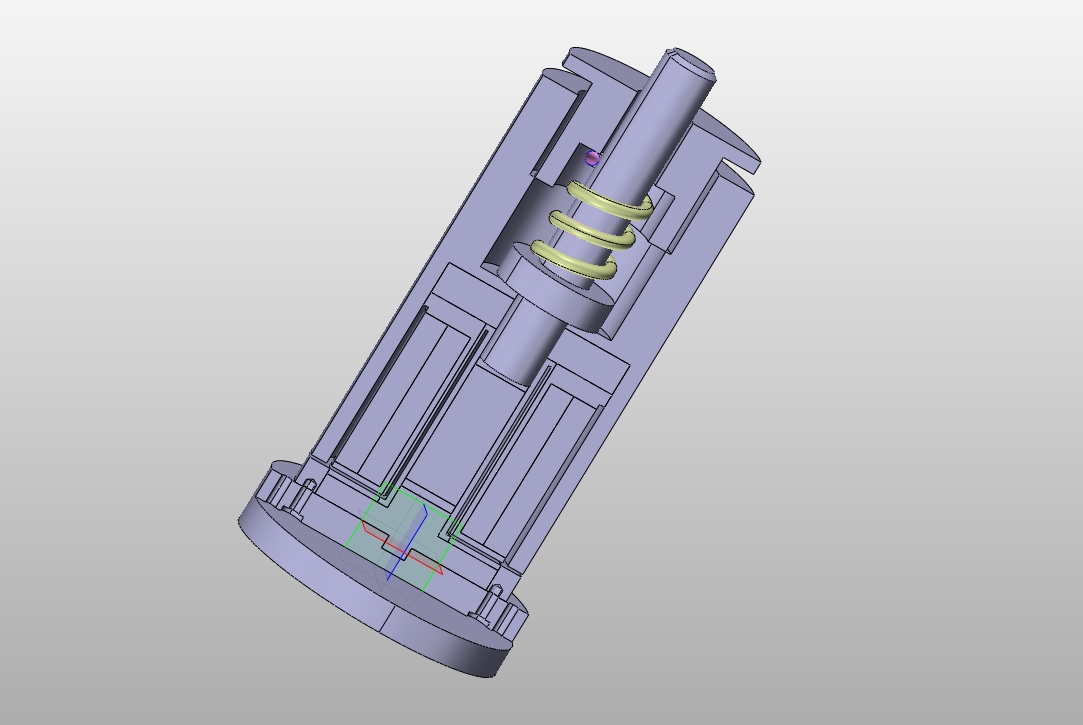
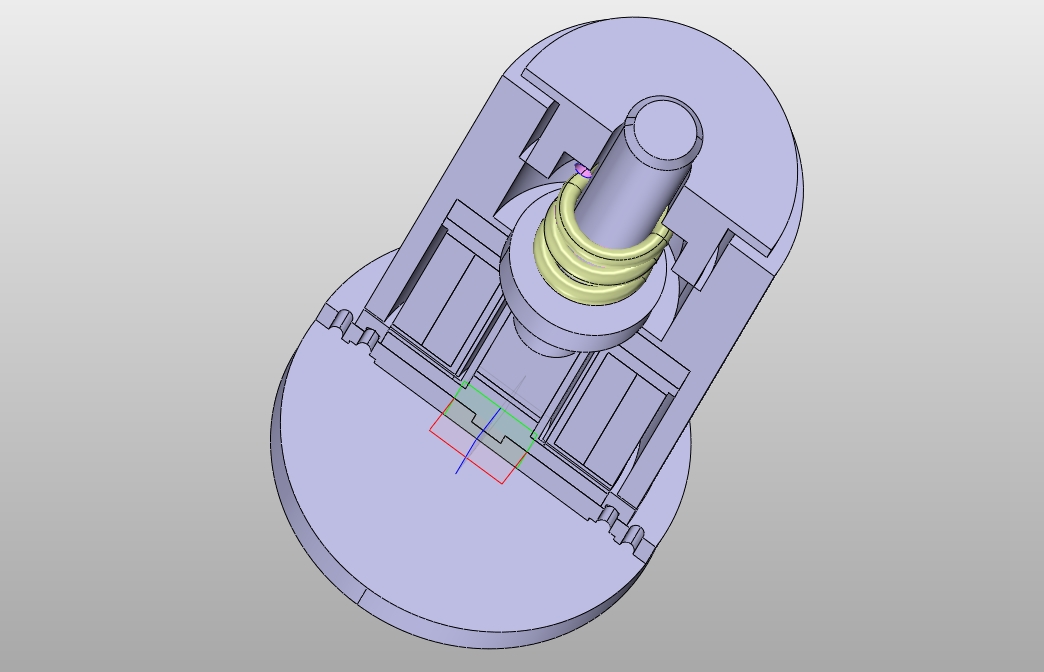
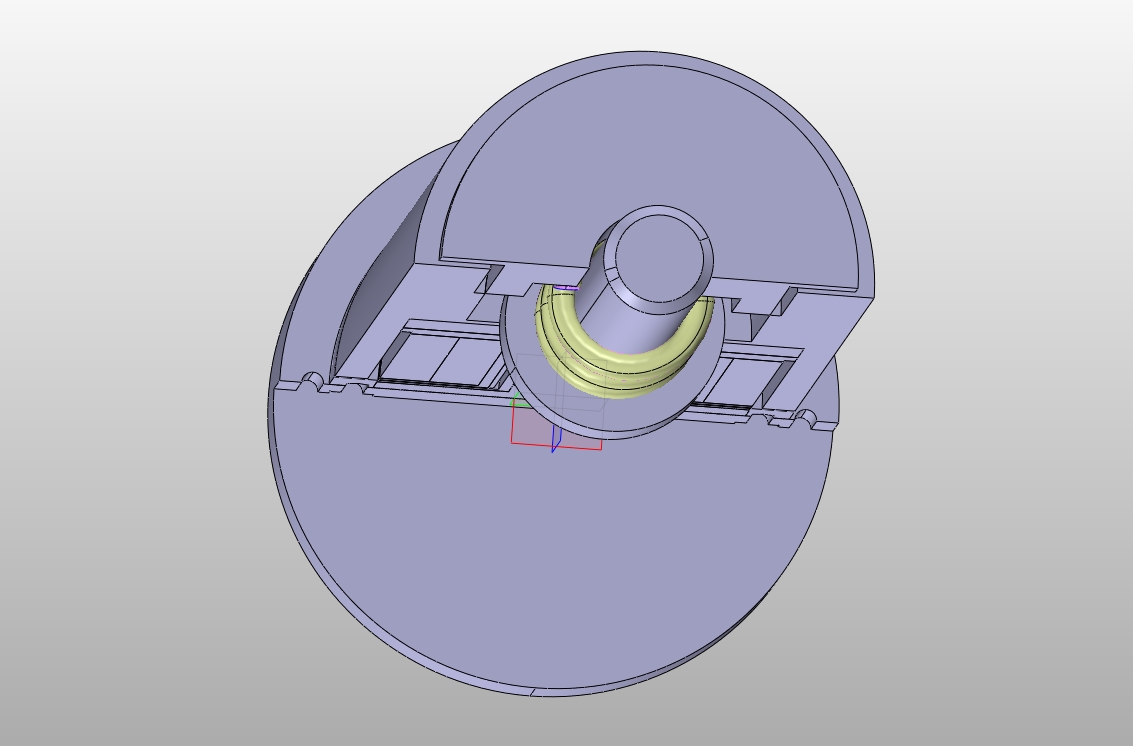
[资料来源:http://Doc163.com]

[资料来源:http://www.doc163.com]
目录
第1章绪论 1
1.1 引言 1
1.2国内外研究现状 1
1.2.1 智能材料的国内外研究现状 1
1.2.2悬架的国内外研究及现状 2
1.2.3智能材料在汽车振动控制上的应用 3
1.3本文研究主要内容及意义 4
第2章悬架技术及控制理论 5
2.1悬架的分类 5
2.2悬架系统控制理论概述 7
2.2.1常见的控制理论概述 7
2.2.2智能悬架系统的控制策略概述 9
2.3本章小结 10
第3章智能材料的选择及其性能 11
3.1 磁流变液的主要性能及应用 11
3.1.1 磁流变液主要性能 11
3.1.2 磁流变液减振器 13
3.2超磁致伸缩体的主要性能及应用 14
3.3形状记忆合金的主要性能及应用 15
3.4本章小结 17
[来源:http://Doc163.com]
第4章基于智能材料的结构概念设计与研究 18
4.1磁流变减振器的设计 18
4.1.1 磁流变减振器阻尼力模型建立 18
4.1.2磁流变减振器结构设计 20
4.1.3磁流变减振器磁路设计 21
4.2超磁致伸缩作动器的概念设计 24
4.2.1超磁致伸缩体作动器的结构设计 24
4.2.2超磁致伸缩体作动器的概念图 26
4.2.3超磁致伸缩体作动器的静态模型建立 27
4.3 SMA螺旋弹簧的概念设计 28
4.4 本章小结 30
第5章总结与展望 32
参考文献 33
致谢 34
[资料来源:Doc163.com]
上一篇:东风EQ1093中型汽车驱动桥设计(含CAD零件图装配图)
下一篇:基于智能材料的变形车体与机构概念设计(含CAD图,CATIA三维图)